
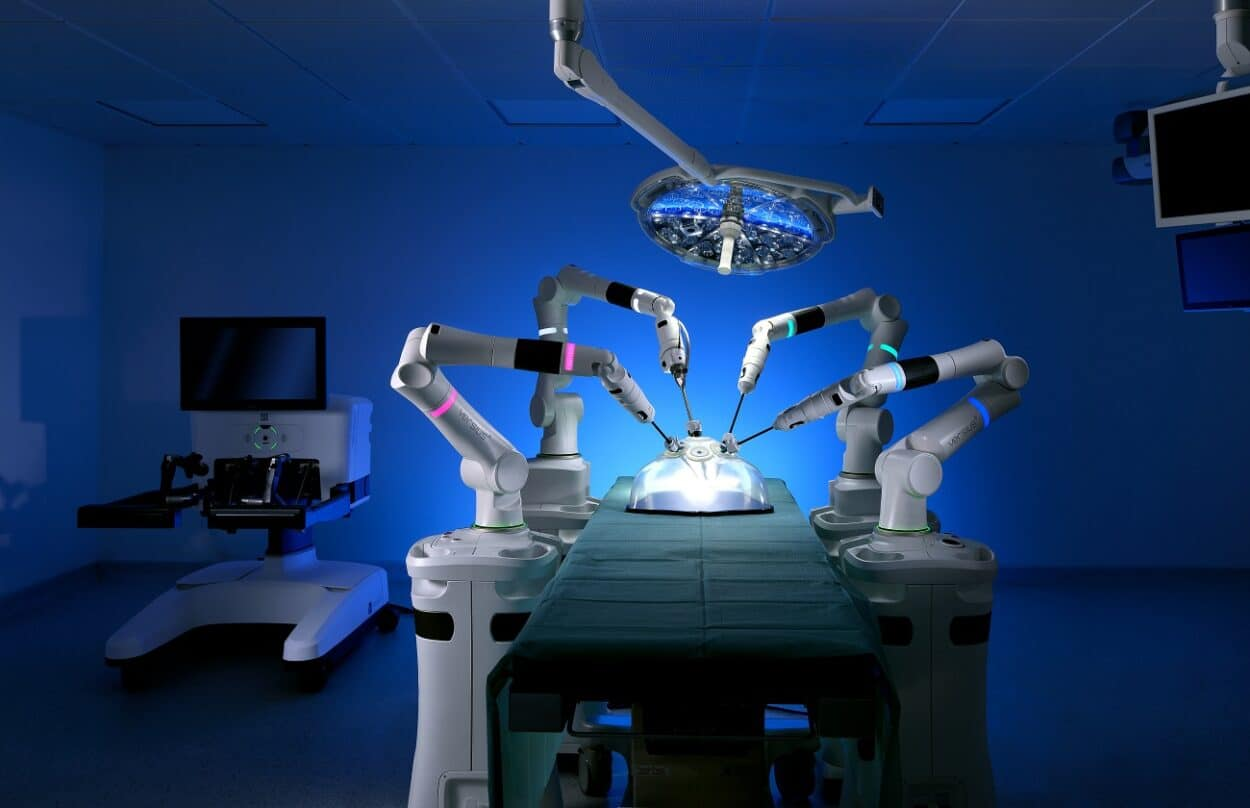
Modern healthcare is experiencing a period of rapid transformation, with technological innovation leading the way inside operating rooms across the globe. In the past few decades, patients with complex medical conditions were forced to undergo massive surgical incisions, long hospital stays, and strenuous recovery periods. Modern tools have given medical teams state-of-the-art precision and safety in intricate procedures today. Technology has taken the medical care industry to new levels, providing more advanced diagnostic imaging tools and mechanical operating platforms, so that the care that is provided to patients is more effective and less invasive.
Advancements in Minimally Invasive and Robotic Systems
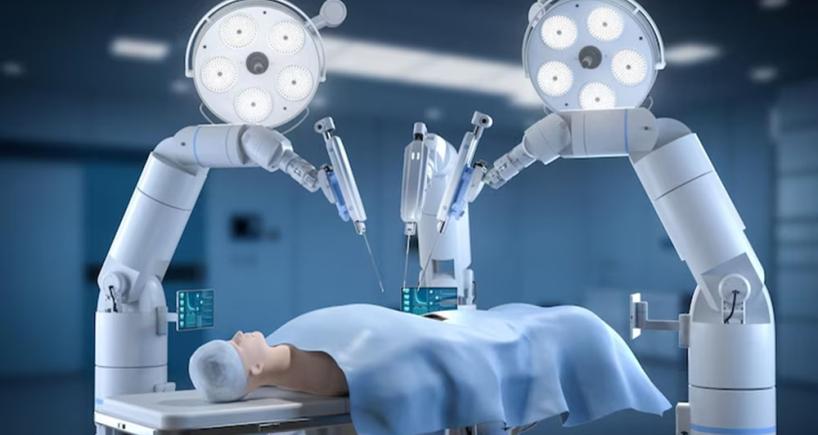
Some of the biggest advancements in surgical treatment are the robotic systems and laparoscopes. These cutting-edge systems enable surgical teams to perform their operations from a small incision made in the skin instead of a large cut. Insights from a surgical technology expert like Dr. Omar Marar highlight how robotic instruments offer three-dimensional visualization and enhanced flexibility in tight anatomical spaces. These technical skills enable physicians to move around in complicated areas of the abdomen without damaging the surrounding healthy tissue. This means that patients have a less painful recovery, less blood loss, fewer wound complications, and a smoother recovery.
High-Definition Imaging and Endoscopic Precision
Routine medical evaluations have become data-intensive and detailed thanks to advanced diagnostic tools. High-definition endoscopes equipped with specialized lighting allow clinical teams to inspect internal organ linings with extraordinary clarity. For those with special needs of the intestines, regular colonoscopies can help catch and remove precancerous growths before they grow into serious cancers. Real-time visualization tools are also used during active surgery to make sure that medical professionals can accurately determine blood flow and critical anatomical pathways. Accurate checking and monitoring of the patient’s condition before and during the procedure increases the safety of the procedure, reduces the risk of complications, and significantly enhances postoperative results for the patient.
Enhancing Patient Safety and Recovery
In addition to instruments in operating rooms, digital technology enables optimising the entire patient care process. Modern healthcare facilities utilize integrated monitoring systems and standardized clinical protocols to manage post-operative recovery. These technologies enable doctors to track patients’ vital signs while the procedure is in progress, manage post-procedural pain efficiently, and ensure early physical movement following surgery. With reduced physical strain during the procedure and digital monitoring to ensure everything runs smoothly after surgery, hospitals can potentially cut down on patient stays, avert post-surgical problems, and ensure smooth patient transitions back to their regular lives significantly sooner.
Transforming Medical Education and Surgical Training
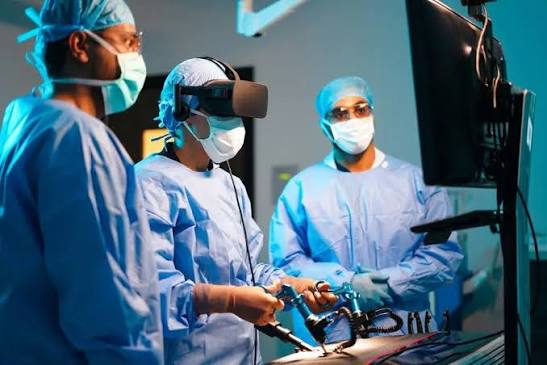
Also, with advances in technology, the way knowledge of the clinical aspects of medicine is passed on from one generation to the next is altered. In today’s operating theaters, students can watch high-tech surgical operations on screens and digital footage, and also experience the surgery interactively with simulations. In surgical rotation, these tools are used by experienced mentors to clearly explain surgical procedures without compromising patient safety. Hands-on practice coupled with cutting-edge technical tools enables medical students and residents to gain confidence, make better decisions, and learn new techniques earlier in their careers, keeping incoming healthcare providers at a high standard of clinical excellence.
Conclusion
As an integral part of healthcare innovation, surgical technology remains pivotal in enhancing patient care, safety, and precision. Robotic systems, cutting-edge imaging technology, optimized recovery processes, and updated training techniques have revolutionized medical practice, making it safer, more efficient, and more streamlined. Patients with complex health issues can expect improved long-term health outcomes, higher quality of care, and cleaner recovery in health care settings as technology continues to evolve.